Desentoy focus on making custom designer toys.
- +86 137 1062 1226
- info@desentoy.com
Desentoy focus on making custom designer toys.
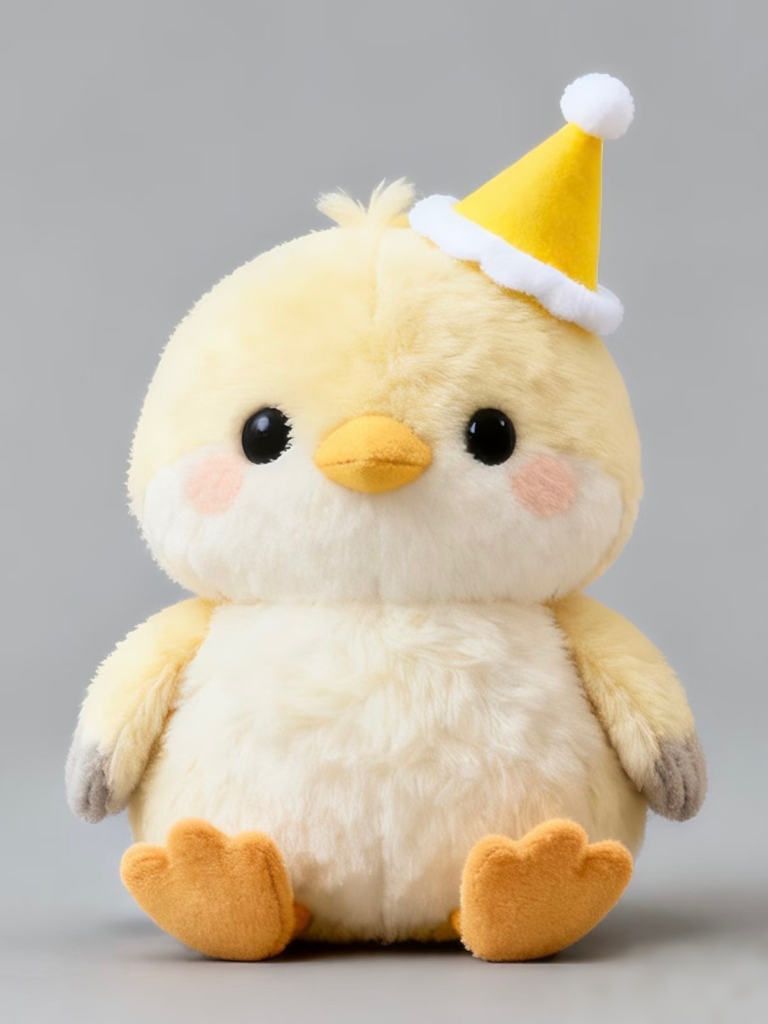
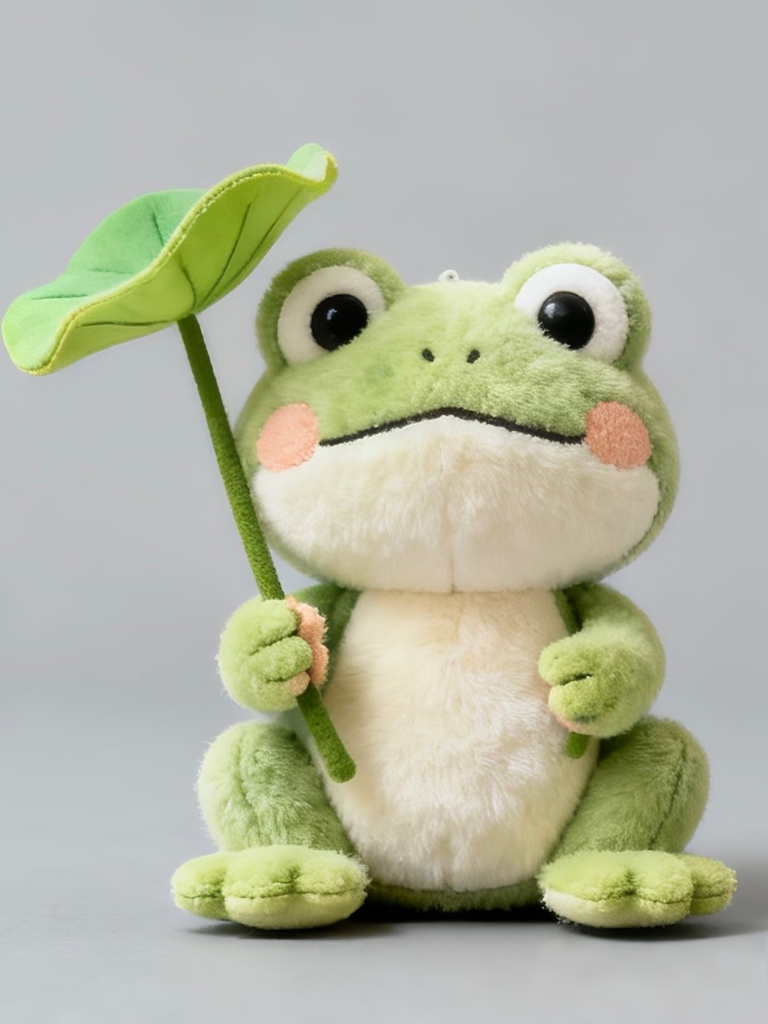
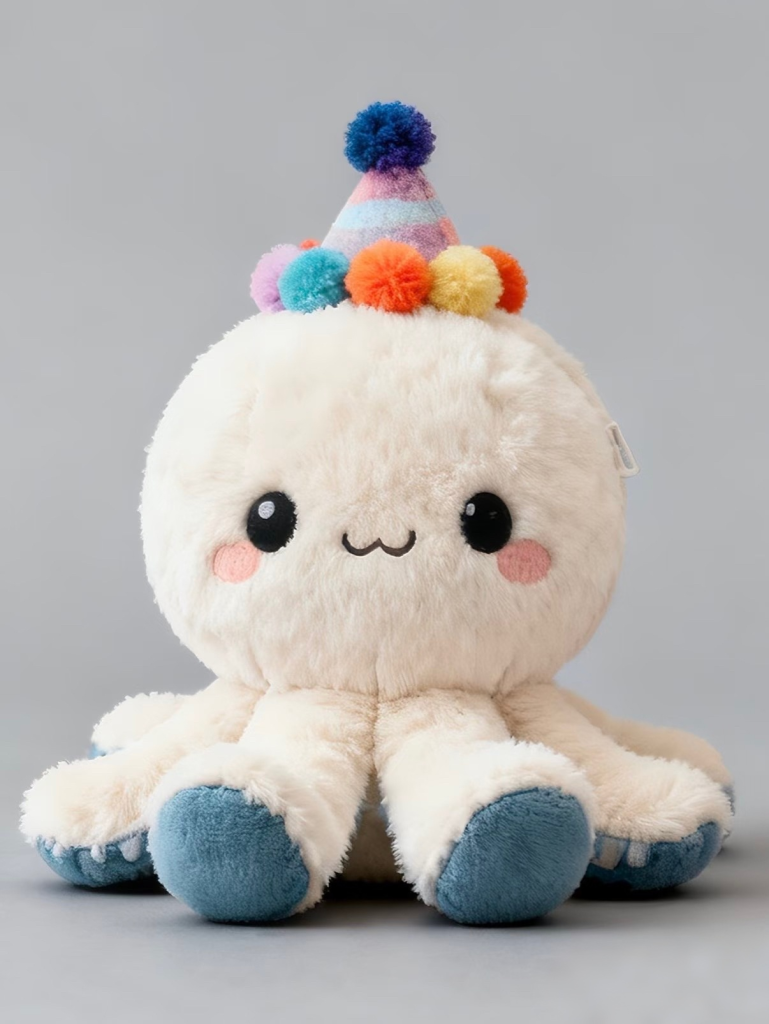
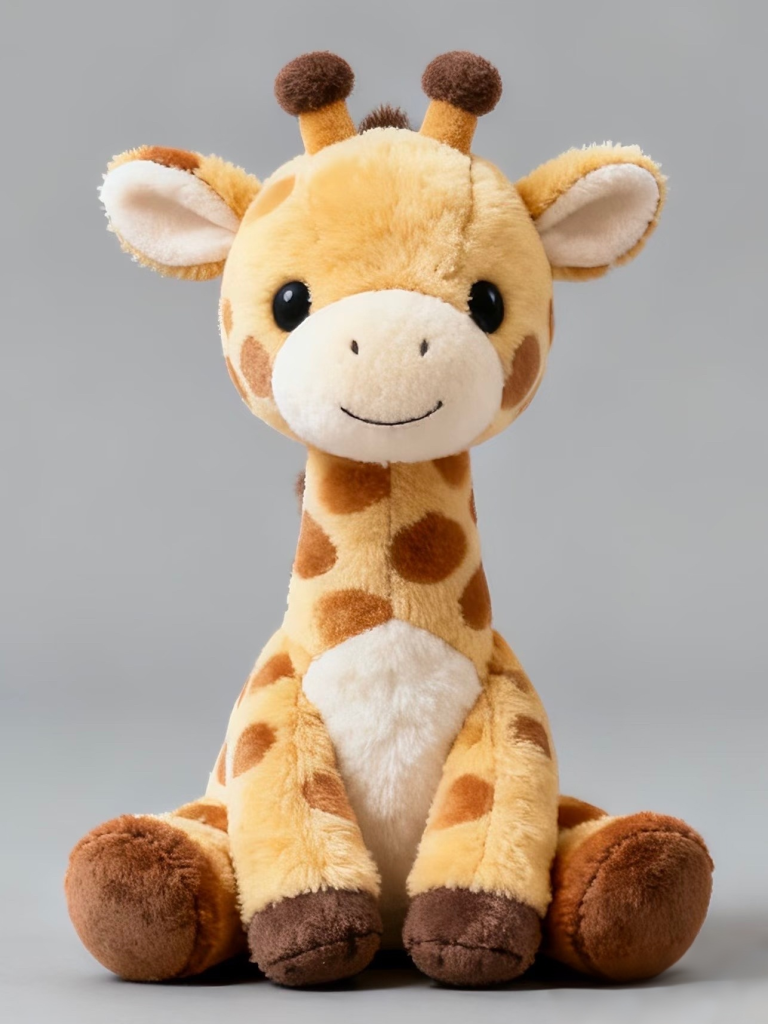
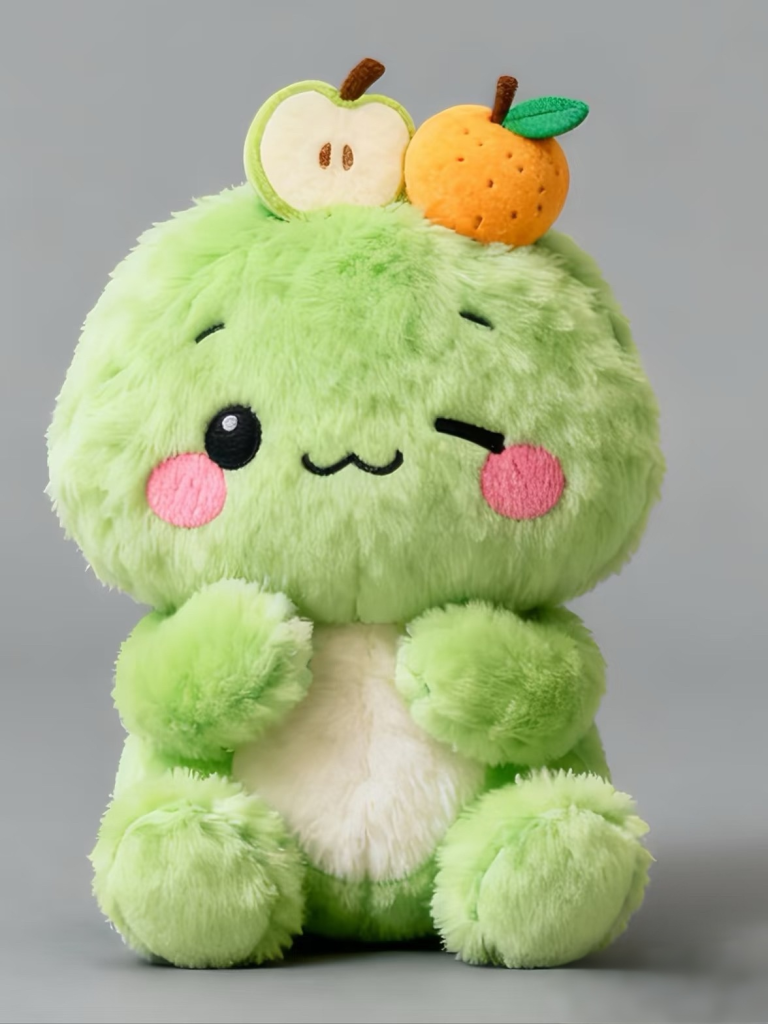
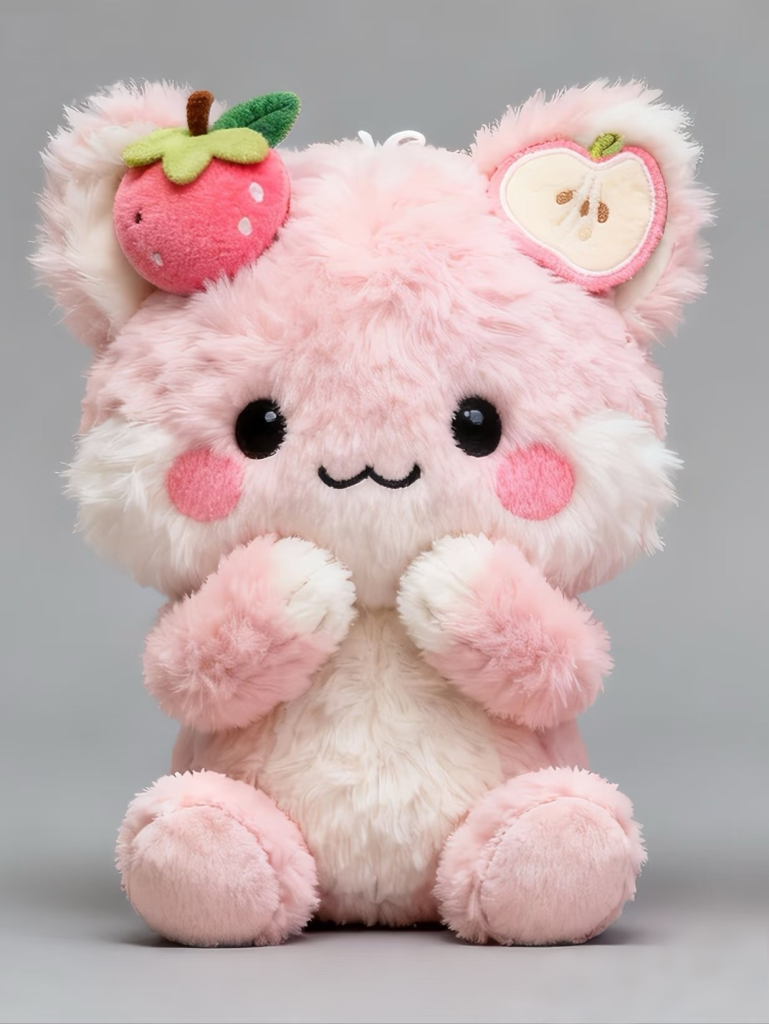
Plush toys, commonly known as “stuffed toys” or “soft toys,” are soft, cuddly toys made from textile fabrics (such as short-pile plush, long-pile fur, terry cloth, corduroy, etc.) and filled with soft, bulky materials (like polyester fiberfill, foam beads, or down). They are produced through processes including cutting, sewing, stuffing, and finishing.
Core Characteristics:
1. Soft Texture: This is their most essential feature, providing a warm, comforting, and soothing feel, making them especially popular with children and collectors.
2. Safe and Skin-Friendly: Made from textiles and fiber filling, they are generally gentle on the skin and highly safe.
3. Abstract and Cute Designs: The nature of the fabric allows for rounded, simplified shapes, ideal for creating cartoonish, anthropomorphic animals or characters.
4. Manufacturing Process: Key steps typically include design, pattern making, cutting, sewing, stuffing, sealing, and finishing.
Core Advantages
1. Revolutionary Facial Expressiveness and Emotional Connection
· Pure plush toys rely on embroidery or printing for facial features, resulting in relatively flat, static expressions. Vinyl heads can utilize precise three-dimensional molds to create three-dimensional and vivid eyes, noses, and mouths, even enabling subtle gradient blushes, blinking, or moving mouths. This gives the characters highly infectious expressions that instantly build emotional connections, aligning perfectly with the modern market’s preference for “kawaii” (cute) aesthetics.
2. Unique Texture Contrast and Realism
· The smooth, cool, and elastic feel of vinyl (simulating skin or keratin) creates a striking visual and tactile contrast with the soft, warm, and fluffy texture of plush (simulating fur or clothing). This mixed material quality makes the toy feel more like a complete creature or character, enhancing its realism and providing a richer sensory experience during play.
3. Superior Durability and Ease of Cleaning
· Cleaning: Vinyl parts (like faces, hands, and feet) can be easily wiped clean with a damp cloth or disinfectant wipe if soiled, whereas plush parts are much harder to clean thoroughly. This significantly improves the toy’s hygiene and lifespan.
· Structure: Using more durable vinyl at stress points like joints and connections increases the toy’s overall sturdiness, preventing tears or deformation from frequent handling.
4. Functional Expansion and Innovative Play Patterns
· Vinyl components allow for the integration of more complex features.
· Articulation: Enables head turns, arm movements, etc., increasing interactivity.
· Sound & Light: Makes it easier to embed speakers or LED lights within the plastic parts.
· Magnetic Design: Allows for embedding magnets in vinyl hands so the toy can “hold” accessories.
5. Market Positioning and Collectible Value
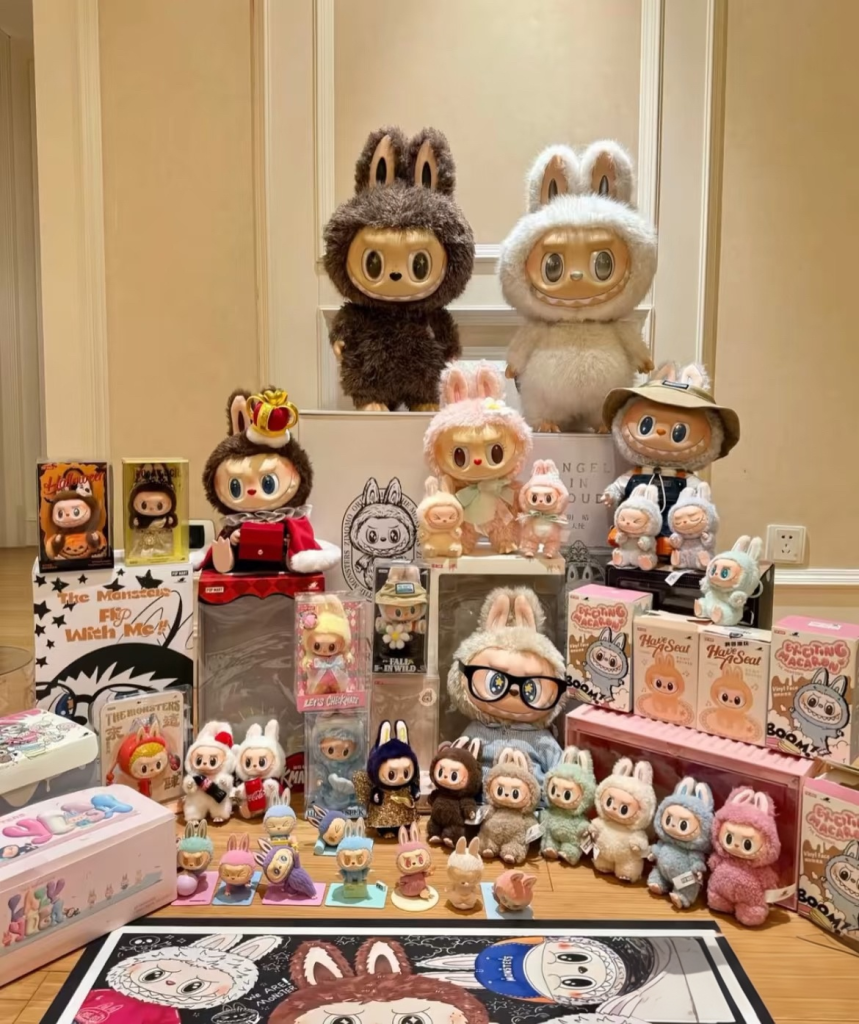
· This composite manufacturing process is more complex and costly than pure plush production, naturally positioning the product in the mid-to-high-end market. It appeals not only to children but also to teen and adult collectors who value detail, IP accuracy, and uniqueness, transforming the toys into display-worthy collectibles.
Typical Toy Examples
This combination has become a “standard answer” for high-end character-based plush toys today.
1. Disney/Trendy IP Plush Dolls (“Vinyl-Headed Plush”)
· Examples: LinaBell, StellaLou, ShellieMay (Disney), and certain premium Sanrio character plush.
· Application:
· Head, tips of ears, hands, and feet: Made of vinyl, creating their iconic, three-dimensional eyes (with painted highlight dots), delicate noses, and mouths. This is the core source of their expressive, “meme-worthy” charm.
· Body and main limbs: Made of high-quality short-pile plush or velour, providing a soft, cuddly feel.
· Result: Achieves ultra-high fidelity in translating 2D animated characters into 3D physical form, with consistent and vivid expressions.
2. Collectible Dolls/Character Role-Play Dolls
· Examples: Pullip, Blythe dolls with plush body versions, or chibi (super-deformed) plush versions of anime characters.
· Application:
· Head (whole or face): Made of vinyl, allowing for large, movable eye plates, detailed makeup, and hairstyles.
· Body: Made of plush, often with internal armatures or soft wires for poseability.
· Result: Combines the精致美貌 and playability of dolls (dressing up, customizing) with the warm touch and comforting feel of plush toys.
3. High-End Animal Models/Realistic Stuffed Animals
· Examples: Realistic animal plush from museums or premium toy brands.
· Application:
· Nose, paws, beak, horns, etc.: Made of vinyl or soft plastic, accurately replicating textures like a wet nose, hard hooves, or a smooth beak.
· Body fur: Made of simulated fur or specialty plush fabrics that mimic an animal’s true coat and color patterns.
· Result: Greatly enhances the biological realism and educational value of the toy, serving as both a plaything and a display model.
4. Interactive Electronic Plush Toys
· Examples: Smart plush toys that sing, tell stories, or have simple conversational features.
· Application:
· Facial panel, hands: Made of vinyl, serving as the housing for integrated touch sensors, LED screens (for eyes), and speakers.
· Body: Encased in plush, maintaining the familiar, friendly appearance of a traditional stuffed animal.
· Result: Conceals the technological components within a comforting plush exterior, and provides a more suitable surface for technical interfaces like charging ports or buttons.
We would love to speak with you.
Feel free to reach out using the below details.